Few places on Costa Rica’s Caribbean coast combine rainforest, wildlife, coral reefs, and beautiful beaches as effortlessly as Cahuita National Park.
Whether you’re planning a half-day adventure from Puerto Viejo or spending several nights in Cahuita, this guide will help you make the most of your visit.
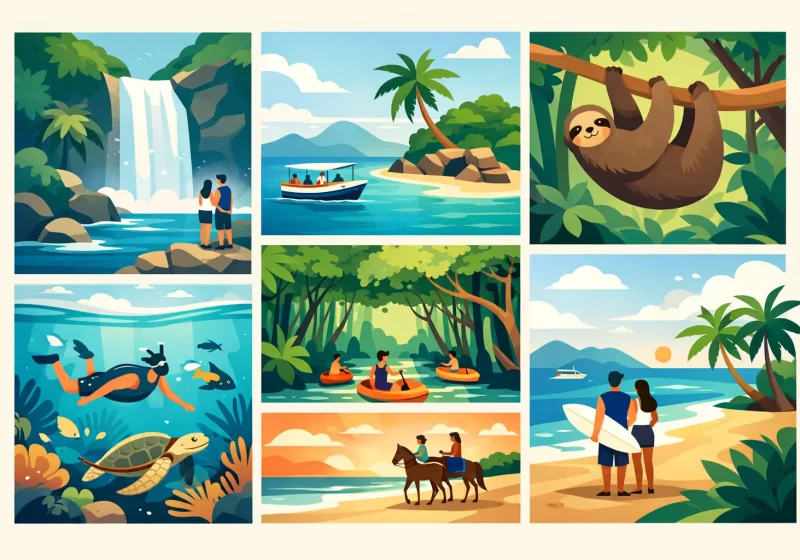
Unlike many national parks in Costa Rica, Cahuita doesn’t require strenuous hiking or advanced planning. Instead, it offers an easy coastal trail where sloths, monkeys, raccoons, iguanas, and tropical birds can often be spotted just a few meters from the beach.
If you’re exploring Costa Rica’s Southern Caribbean, our Costa Rica Caribbean Coast Guide is also a great resource for planning the rest of your trip.
Cahuita National Park at a Glance
Location: Cahuita, Limón Province, Costa Rica
Distance from Puerto Viejo: Approximately 20 minutes
Trail Difficulty: Easy
Recommended Visit: Half day to full day
Main Activities:
- Wildlife watching
- Hiking
- Beach relaxation
- Snorkeling (weather permitting)
Best For:
- Families
- Couples
- Nature lovers
- First-time visitors
- Photographers
Why Visit Cahuita National Park?
Cahuita is different from almost every other national park in Costa Rica.
Instead of choosing between rainforest or beach, you experience both at the same time.
The main coastal trail winds through tropical forest while the Caribbean Sea remains in view for much of the walk. Wildlife often appears only a few steps from the beach, creating one of the country’s easiest and most rewarding national park experiences.
Because the terrain is mostly flat, visitors of almost any fitness level can enjoy the park comfortably.
That makes Cahuita an excellent choice for:
- Families with children
- Couples
- Older travelers
- First-time visitors to Costa Rica
- Anyone looking for wildlife without a difficult hike
Many travelers combine their visit with lunch in Cahuita town, a snorkeling tour, or an afternoon at the beach, making it one of the most versatile day trips on the Caribbean coast.
If you’re staying nearby, you’ll also find Cahuita featured in our 7 Best Puerto Viejo Day Trips to Book.
Understanding the Two Park Entrances
One detail that surprises many visitors is that Cahuita National Park has two different entrances.
Choosing the right one depends on the type of visit you’re planning.
Kelly Creek Entrance
Located directly in Cahuita town, Kelly Creek is the entrance most visitors use.
It provides immediate access to the famous coastal trail and allows you to begin your hike just steps from restaurants, parking areas, and local businesses.
Historically, this entrance has operated on a voluntary donation system rather than a fixed admission fee. While policies may change over time, visitors are encouraged to contribute generously since these donations help support park maintenance and conservation efforts.
If you’re visiting for the classic Cahuita experience, this is usually the best place to start.
Puerto Vargas Entrance
Located several kilometers south of Cahuita town, Puerto Vargas offers a quieter alternative.
This entrance includes:
- Ranger station
- Parking
- Visitor facilities
- Shorter hiking options
It is often preferred by travelers arriving by rental car who want a shorter walk or a less crowded starting point.
Both entrances allow visitors to experience the park, but the atmosphere is slightly different.
Kelly Creek feels more connected to the beach town, while Puerto Vargas offers a more traditional national park setting.
Is Cahuita National Park Worth Visiting?
Absolutely.
If you only have time to visit one national park on Costa Rica’s Caribbean coast, Cahuita is usually the best choice.
Unlike parks that require long hikes or challenging terrain, Cahuita combines:
- Rainforest
- Wildlife
- Beaches
- Coral reef
- Easy walking trails
all within a single destination.
Very few places in Costa Rica offer that combination with such little physical effort.
What Is the Hike Really Like?
Many visitors expect a demanding jungle trek.
Cahuita is nothing like that.
The main trail is mostly flat, well-defined, and suitable for nearly every traveler.
That doesn’t mean you should rush through it.
Wildlife is everywhere, but much of it stays remarkably well hidden.
Sloths blend into the treetops.
Tree frogs disappear among leaves.
Small snakes remain almost invisible unless someone points them out.
Even monkeys can be surprisingly difficult to spot if you’re walking quickly.
The best advice is simple:
Walk slowly.
Stop often.
Look up.
Listen carefully.
Nature usually reveals itself to patient visitors.
Morning visits are generally the most rewarding because temperatures are cooler and wildlife tends to be more active.
Wildlife You May See
One of Cahuita’s greatest attractions is that wildlife sightings are common without requiring long hikes.
Depending on the season and a little luck, visitors regularly encounter:
- White-faced capuchin monkeys
- Howler monkeys
- Sloths
- Raccoons
- Iguanas
- Basilisks
- Coatis
- Tropical birds
- Butterflies
- Crabs
One animal deserves special attention: raccoons.
They have become extremely comfortable around people and are well known for stealing unattended food.
Keep backpacks closed, avoid feeding wildlife, and respect the park’s conservation rules.
If spotting wildlife is one of your main goals, consider joining a guided walk.
Experienced local guides often notice animals that independent visitors walk past without ever realizing they were there.
Guided Walk or Self-Guided Visit?
One of the most common questions travelers ask is whether they should explore Cahuita National Park on their own or hire a guide.
The answer depends on the experience you’re looking for.
If your goal is simply to enjoy a beautiful coastal walk, spend time on the beach, and experience the rainforest at your own pace, a self-guided visit works perfectly well. The trail is easy to follow, and many visitors enjoy the freedom of stopping whenever they like.
However, if wildlife is one of the main reasons you’re visiting Cahuita, hiring a guide can completely change your experience.
Professional guides know where animals regularly rest, feed, or hide. Sloths tucked high in the canopy, tiny poison dart frogs, sleeping snakes, camouflaged insects, and tropical birds are often impossible to spot without trained eyes.
Many visitors are surprised by how much more wildlife they see with a guide compared to walking the exact same trail independently.
Is Snorkeling Worth It?
For many travelers, snorkeling is one of Cahuita’s biggest attractions.
The coral reef just offshore is one of the most important marine ecosystems on Costa Rica’s Caribbean coast and, when conditions are favorable, offers an excellent opportunity to observe tropical fish, coral formations, sea fans, and other marine life.
That said, snorkeling in Cahuita depends entirely on nature.
Visibility changes throughout the year due to rainfall, river runoff, wind, and sea conditions. Some days offer crystal-clear water, while others may not be suitable for snorkeling at all.
That is why we always recommend treating snorkeling as a weather-dependent activity rather than assuming it will always operate.
If snorkeling is your priority, be sure to read our complete Cahuita National Park Snorkeling Tour Guide, where we explain the best seasons, what to expect, and how local conditions affect each tour.
Best Time to Visit Cahuita National Park
One of the advantages of Costa Rica’s Caribbean coast is that its weather pattern differs from the Pacific side of the country.
Many travelers are surprised to learn that September and October are often among the best months to visit this region.
Regardless of the season, early mornings usually provide the best experience.
Starting early allows you to:
- Enjoy cooler temperatures
- Increase your chances of seeing wildlife
- Avoid the busiest hours
- Finish your hike before the strongest afternoon heat
Afternoon visits can still be enjoyable, but wildlife activity often decreases as temperatures rise.
The key is staying flexible.
A brief tropical shower rarely ruins a visit—in many cases, it simply becomes part of the Caribbean experience.
What Should You Bring?
You do not need specialized hiking equipment to enjoy Cahuita National Park.
For most visitors, the essentials include:
- Comfortable walking shoes or sandals
- Reusable water bottle
- Sunscreen
- Insect repellent
- Swimsuit
- Towel
- Waterproof bag or dry pouch
- Camera or binoculars
If you plan to spend time on the beach after your hike, bringing a change of clothes can also make the rest of the day much more comfortable.
Because weather can change quickly on the Caribbean coast, lightweight rain protection is always a good idea.
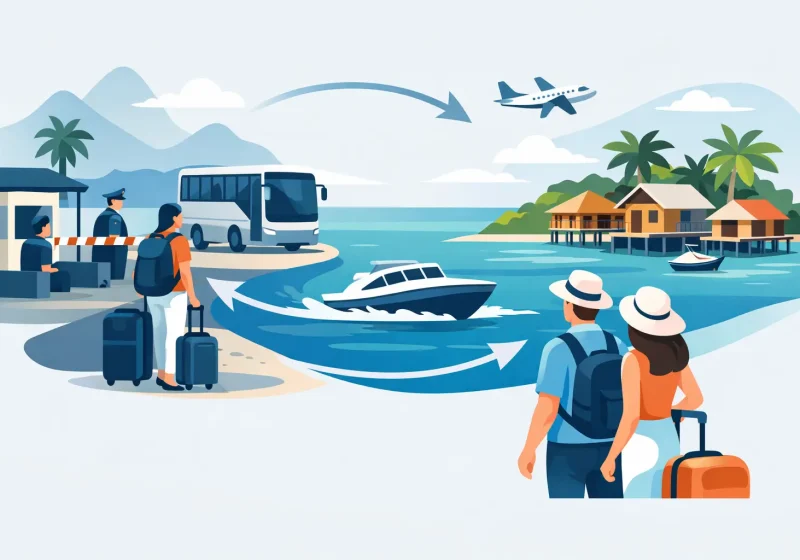
Getting to Cahuita National Park
Cahuita is located approximately 20 minutes north of Puerto Viejo, making it one of the easiest day trips in the region.
Visitors have several transportation options:
- Rental car
- Local bus
- Taxi
- Shared shuttle
- Private transportation
If you’re staying in Puerto Viejo and are unsure which transportation option makes the most sense, our Puerto Viejo Transportation Guide compares each alternative in detail.
Many travelers also wonder whether renting a vehicle is really necessary during their stay. Our article Do You Need a Car in Puerto Viejo? can help you decide before making a reservation.
For travelers arriving directly from San José or combining Cahuita with other Caribbean destinations, organized transportation often removes much of the stress from the day and allows you to focus entirely on enjoying the park.
Common Mistakes to Avoid
A little planning goes a long way in Cahuita.
Here are a few common mistakes visitors can easily avoid:
- Arriving late and missing the best wildlife activity.
- Expecting snorkeling to operate regardless of sea conditions.
- Feeding raccoons or monkeys.
- Carrying too much unnecessary gear.
- Walking too quickly and missing wildlife hidden in the forest.
- Trying to combine too many activities into one day.
One of the best things about Cahuita is its relaxed pace.
The park rewards visitors who slow down.
Additional Planning Resources
Before visiting, we recommend checking the latest official park information through Costa Rica’s National System of Conservation Areas (SINAC), including visitor regulations, conservation updates, and any operational notices.
(Enlaza aquí al sitio oficial de SINAC para Cahuita).
Final Thoughts
Cahuita National Park reminds many travelers why they chose Costa Rica in the first place.
The rainforest feels untouched.
Wildlife appears naturally, without staged experiences.
The beaches remain beautifully wild.
And the pace encourages you to slow down instead of rushing from one attraction to the next.
Whether you spend a few hours walking the coastal trail, snorkeling above the reef, or simply relaxing beneath the palm trees, Cahuita offers one of the most rewarding nature experiences on Costa Rica’s Caribbean coast.
If you’re planning to explore more of the region, don’t miss our Costa Rica Caribbean Coast Guide and 7 Best Puerto Viejo Day Trips to Book, where you’ll find additional destinations, transportation tips, and local experiences to help you make the most of your Caribbean adventure.
At Pleasure Ride Costa Rica, we believe the best days aren’t the busiest ones—they’re the ones where everything flows naturally, leaving you free to enjoy the rainforest, the ocean, and the unique rhythm of Costa Rica’s Southern Caribbean.
Cahuita National Park is one of the highlights of Costa Rica’s Southern Caribbean. If you’re planning a longer stay, the official Caribbean travel guide from the Costa Rica Tourism Board offers additional information about nearby destinations, beaches, wildlife, and cultural experiences that pair perfectly with a visit to the park. official Caribbean travel guide from the Costa Rica Tourism Board
For official park regulations, conservation information, and operational updates, we also recommend checking Costa Rica’s National System of Conservation Areas (SINAC) before your visit.